
Experience the original up close – our Stone Age tours from 2011 to 2017!
The scientific results of our tours have not only been published in international journals, but are also extremely promising from the perspective of preventive medicine. In just four days, this study design positively influenced a variety of health-related blood parameters. This showed us that our Stone Age organism is capable of adapting back to its original hunter-gatherer lifestyle in record time. For all of us!
Back to the roots – why we must confront modern affluence neglect
The Stone Age isn’t just in our bones, but above all in our genes. For this reason, since 2011, we and an international working group have been investigating the effects of a Stone Age lifestyle on our bodies—a life without smartphones, appointment calendars, sales targets, office chairs, artificial light, and packaged industrial food.
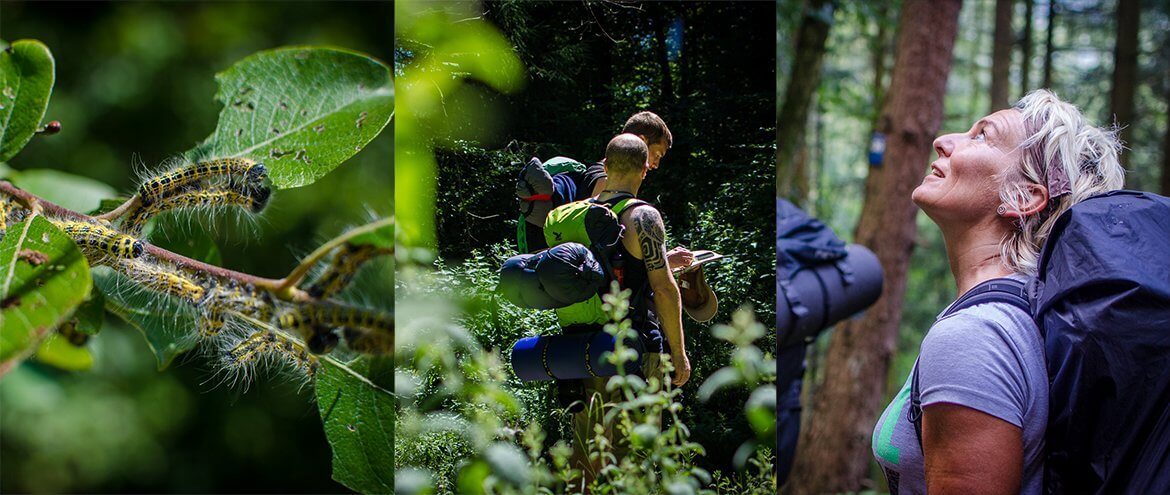
Depending on the season, our ancestors had to undertake longer or shorter journeys to reach lucrative hunting grounds or locate remote water sources. For most of human history, humans have been hunting for sources of energy and water, vitamins, trace elements, and essential amino acids. Today, however, we chase euros, rising stock prices, more followers, or our own self-realization. The season determined not only our food supply, but also the effort we had to invest to obtain energy-rich fat, amino acids, glucose, vitamin C, and the like. Whatever food actually looked like in the Stone Age on different continents, availability was certainly a universal problem that posed a daily challenge before the invention of the refrigerator – whether in the scorching heat of summer or the bitter cold of winter.
Against our genetic heritage – or the obesity of the modern world
Due to the changing environmental conditions our ancestors had to adapt to, we assumed prior to our studies that human metabolism must be genetically perfectly adapted to food and water deprivation. For over two million years, our metabolism had to be able to bridge periods of deprivation. Otherwise, we as Homo sapiens would have long since become extinct like the Neanderthals. Therefore, over the course of evolution, our organism developed different strategies to ensure energy production in order to survive. To name just one: every human being has fructose transporters that can absorb fructose without the influence of insulin. A large portion of this fructose is immediately converted into fat. This mechanism was a decisive survival advantage during brief periods of abundance. When fruit ripened in late summer, our ancestors consumed vast quantities to put on the necessary winter fat.
Today, kiwis and oranges are flown in from distant countries in December. Refined fructose is now added to almost all industrially produced foods. As a result, we consume such large amounts that we can no longer lose the winter fat. Epidemiological data from all industrialized countries speak the same language in this regard: obesity is the norm in all industrialized countries. In the USA, 2 million people weigh more than 200 kg!
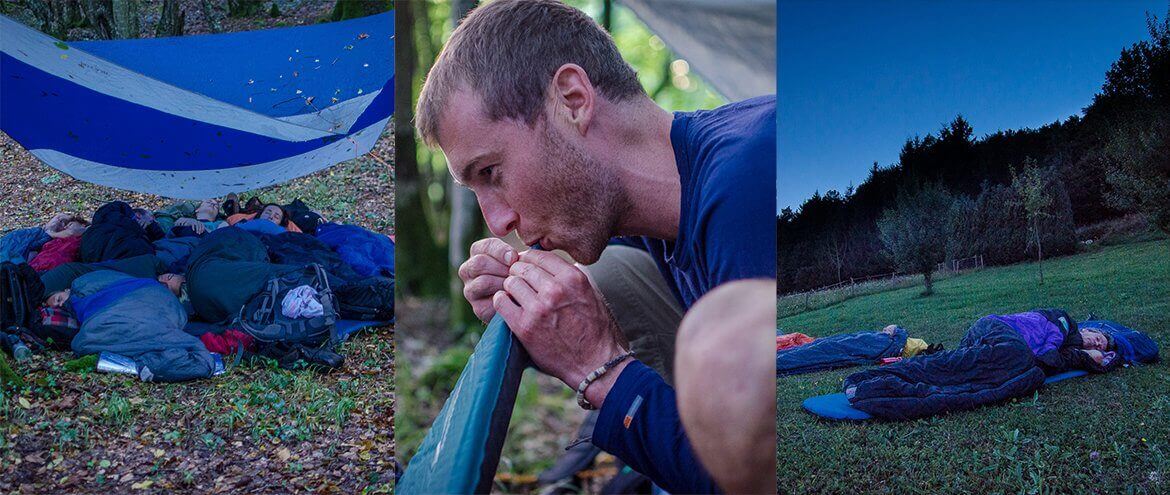
Before they pass away – what we urgently need to learn from the last indigenous peoples
Our metabolic flexibility is probably the decisive factor why we, as Homo sapiens, have become the all-dominant living beings on Earth. The modern lifestyle provides us with an abundance of food, drink, consumerism, constant media stimulation, and a lack of sedentary behavior. At any time of day or night, we can consume calories, fluids, and minerals at every turn. Exercise has degenerated into a luxury, because muscular work no longer serves any existential purpose in our economically driven world.
The results of our unnatural lifestyle are reflected in, for example, chronic inflammation, cardiovascular infarctions, type 2 diabetes, cancer, Alzheimer’s, and autoimmune diseases – many of which were unknown 100 years ago. Even the hunter-gatherer peoples still living in remote parts of the world today are barely aware of these modern killer diseases. Only since pizza began to be flown in from Denmark to Greenland have the Inuit also begun to suffer from the typical Western diseases of affluence.
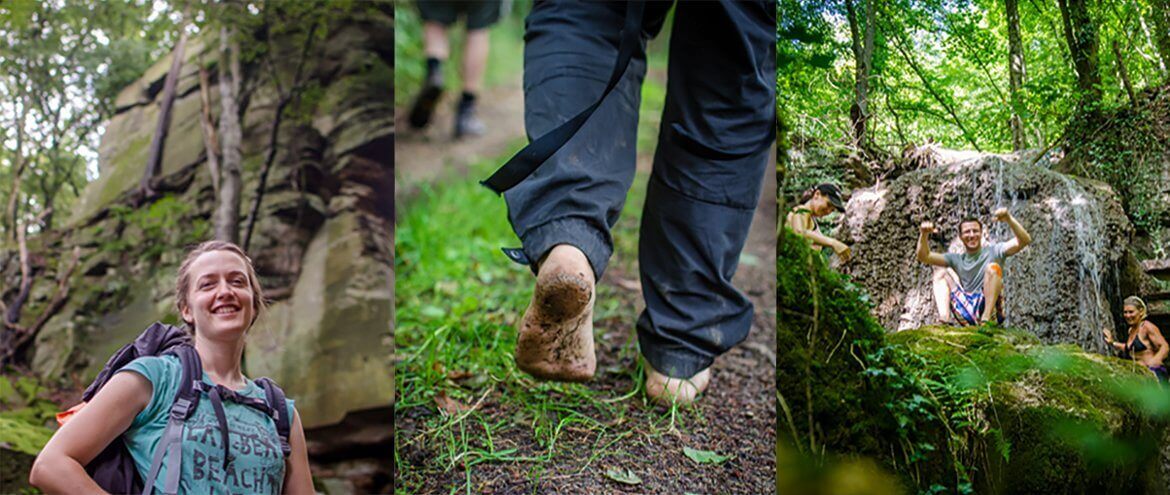
Humans have adapted to nature for 2.5 million years. For 100 years, we have been adapting nature to suit us. With the invention of the refrigerator, the combustion engine, fast food, mobile communications, and the internet, our original way of life has changed so drastically in record time that our Stone Age-influenced genome has not only reached its limits but is already exceeding its tolerance threshold. In our studies, we therefore wanted to learn more about what happens inside us when we transport ourselves back to the supposed Stone Age for a while.

The Stone Age Project – our field research in the wilderness of the Pyrenees and the Southern Eifel
In 2011, we began our first field study in the Pyrrines. This was followed by three further studies in the Delux Nature Park in the Southern Eifel. The results showed that within a few days, our metabolism reverts to the Stone Age and resorts to alternative metabolic pathways. This is provided we gather and hunt (exercise) food before consuming calories. This behavior pattern contradicts the recommendations of leading professional associations, such as the German Nutrition Society (DGE). The DGE believes breakfast is the most important meal, allowing modern, overweight people to start the day feeling refreshed. Not only does our biorhythm contradict this theory, but our data also show that a metabolism that has become pre-diabetic due to overeating and lack of exercise can be reprogrammed in just a few days.
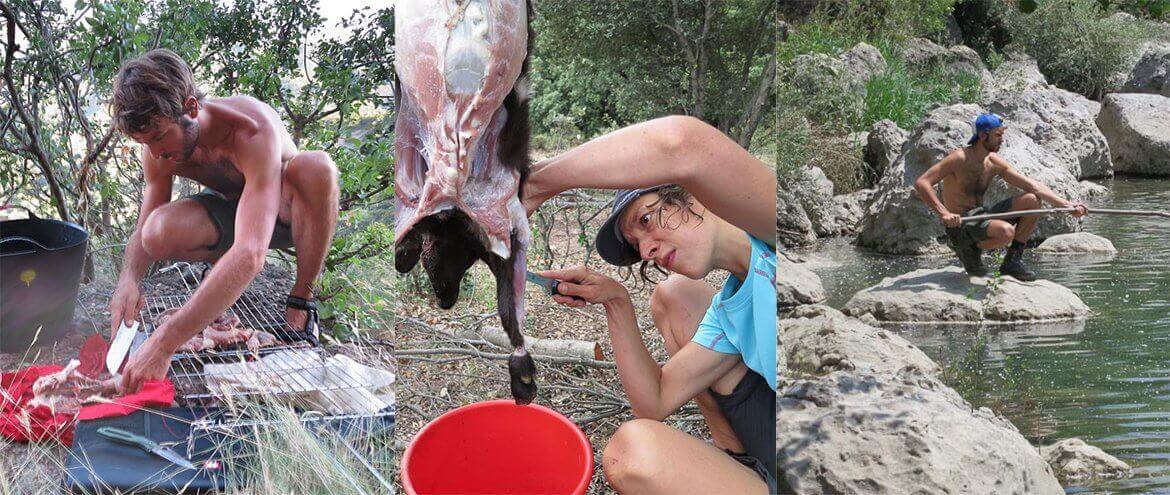
Our first study in the Pyrenees, lasting 10 days, pushed the group to their physical and mental limits. The question arose: Wouldn’t four days (a long weekend) be enough to achieve similar health effects? In the summer of 2013, 15 participants in a pilot group took part in our four-day Stone Age tour through the Southern Eifel region. The results were so encouraging that we expanded the study to 30 participants in 2014. This study also impressively demonstrated: In just four days, our metabolism adjusts to our genetic heritage. Blood sugar and insulin levels, cholesterol levels, etc., are returned to healthy normal levels in a very short time – a dream for any family doctor. And all this without medication and free of side effects. Incidentally, Dr. Jens Freese has scientifically reviewed all completed studies and published them in international journals. You can download them free of charge from our digital platform if you don’t mind English texts. Enjoy reading our studies and articles!
Dr. FREESE Akademie - Blog
Stay up to date with our blog posts. Here we report on interesting scientific findings in nutrition and lifestyle medicine.